There's been a discussion circulating in the ozone community lately, the claim that vaginal insufflation offers the same systemic reach as rectal. I understand the appeal. Logistically, vaginal insufflation is more practical for many people. Nobody wants to deal with rectal administration if there's an easier option that gives the same result.
And sure, you could say I have a biased perspective here. I don't have a vagina. But I'd argue that's irrelevant, my opinion isn't based on personal experience or preference. It's based on what the anatomy shows when you actually look at it.
A lot of what gets passed around in the ozone community is anecdotal. People report feeling a surge of energy after rectal insufflation. I've done hundreds of them and I've never felt that. But that doesn't mean those people are wrong or making it up, it just means their experience is theirs, and mine is mine. Anecdotal evidence works both ways. It can support a point, but it can't override physiology.
So let me show you what the anatomy actually says. No opinions. No anecdotes. Just the plumbing.
The Part Nobody Talks About: The Colon
When most people think about rectal insufflation, they picture the rectum, a short tube about 12-15 cm long. And if that's all there was to it, the comparison with vaginal would be closer.
But here's what actually happens when you introduce ozone gas rectally: it doesn't stay in the rectum. The gas travels upward into the sigmoid colon (another 35-40 cm), and from there into the descending colon, transverse colon, and beyond. The entire large intestine is approximately 150 cm long.
This isn't speculation. It's what happens when you introduce gas into an open tube connected to more tube.
And the colon isn't just "more tube." The colon wall is biologically designed to absorb. That's its entire function, it absorbs water, electrolytes, short-chain fatty acids, and whatever else passes through it. The colonic mucosa is covered in crypts of Lieberkühn, microscopic glands that dramatically increase the absorptive surface. When you account for all the folds, villi, and microvilli, the total absorptive surface of the colon is approximately 30 square meters.
Read that again. Thirty square meters.
Now compare that to the vaginal canal: approximately 8-12 cm deep, with a flat surface area of 65-107 cm². The vaginal wall is designed for a completely different purpose, it's a barrier, not an absorber. No crypts. No villi. No microvilli. What you see is what you get.
That's a surface area ratio of roughly 100 to 1. Not 2:1. Not 5:1. A hundred to one.
Where the Blood Goes: The Real Difference
Surface area alone would be enough to settle this, but the vascular drainage is where the difference becomes undeniable.
Rectal Route
The blood supply of the rectum and colon connects to the portal venous system. Here's the path:
This is called first-pass hepatic metabolism. The liver processes these compounds, activates antioxidant enzyme systems (Nrf2 pathway), modulates NF-κB inflammatory signaling, and distributes the processed compounds throughout the entire body via the hepatic veins into the inferior vena cava.
The colon, an organ designed by evolution to absorb, acts as a massive absorption surface feeding directly into the body's most important metabolic organ. That's not a design flaw. That's the entire point.
Vaginal Route
The vaginal venous plexus drains into the internal iliac veins → common iliac veins → inferior vena cava → general circulation.
Notice what's missing from that path? The liver. The ozone compounds absorbed through the vaginal wall enter systemic circulation without ever touching the liver. No first-pass metabolism. No Nrf2 activation. No hepatic processing.
For gynecological conditions, this is actually fine, the ozone goes where it needs to go: pelvic organs, local tissue, reproductive structures. But for systemic conditions? The compounds skip the body's main processing center entirely.
The Numbers: A Side-by-Side Comparison
| Factor | Rectal Route | Vaginal Route |
|---|
| Absorptive length | Rectum (12-15 cm) + sigmoid colon (35-40 cm) + more | Vaginal canal only (8-12 cm) |
|---|
| Wall function | Designed to absorb (its biological purpose) | Designed as a barrier (not an absorber) |
|---|
| Flat surface area | 200-400 cm² (rectum alone) | 65-107 cm² |
|---|
| True absorptive surface (with villi/microvilli) | ~30 m² (entire colon) | 65-107 cm² (no villi) |
|---|
| Surface area ratio | ~100:1 | Baseline |
|---|
| Blood drainage | Portal vein → liver → systemic | Iliac veins → IVC → systemic |
|---|
| First-pass hepatic processing | ✅ Yes, liver processes all absorbed compounds | ❌ No, bypasses liver completely |
|---|
| Hepatic blood flow | ~1,500 mL/min (25% cardiac output) | 0 mL (liver not involved) |
|---|
| Reservoir capacity | Gas fills sigmoid colon and beyond | Closed cavity, no reservoir |
|---|
| Absorption onset | 30+ seconds retention sufficient | Moderate |
|---|
| Best for | Systemic conditions | Gynecological conditions |
|---|
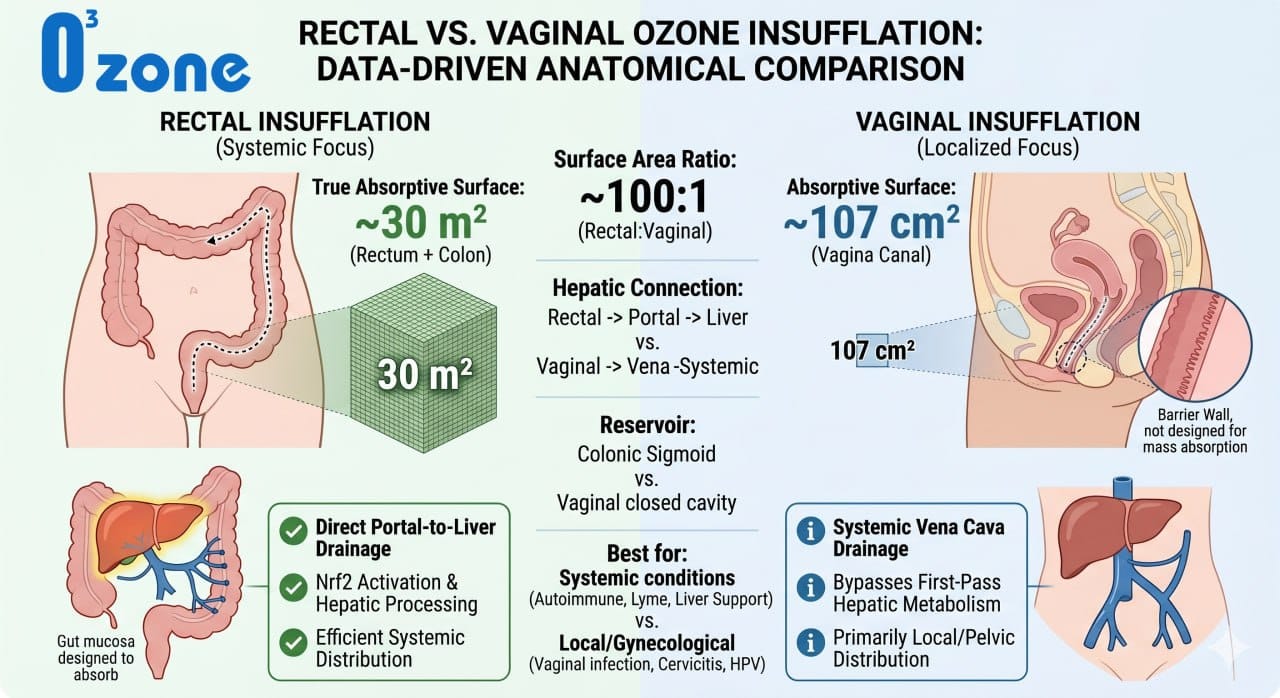
Fig 1. Rectal vs Vaginal: Data-Driven Anatomical Comparison.
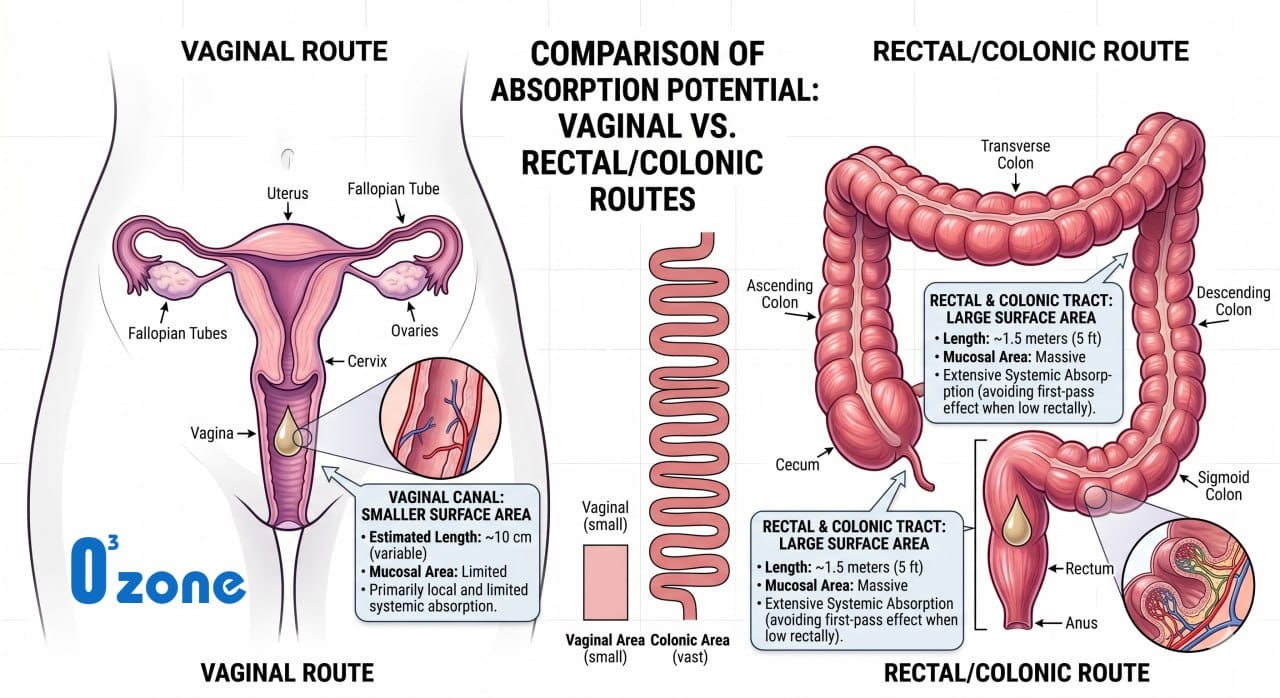
Fig 2. Absorption Potential: Vaginal vs Rectal/Colonic Routes.
What This Means in Practice
The rectal route gives you:
The vaginal route gives you:
When to Use Each
Use rectal insufflation for:What the Guidelines Say
The European Cooperation of Medical Ozone Societies (EUROZONE) guidelines recommend rectal insufflation for systemic conditions. The International Scientific Committee of Ozone Therapy (ISCO3) lists vaginal ozone specifically for gynecological applications.
Cuban ozone therapy protocols, and Cuba has some of the most extensive clinical ozone data in the world, consistently use rectal administration for systemic conditions.
Italian (SIOOT), German, Russian, and Spanish protocols all follow the same logic: rectal for systemic, vaginal for local.
Nobody with physiological training recommends vaginal insufflation for systemic conditions. Not because they have anything against the route, but because the anatomy doesn't support it.
The Bottom Line
I'm not saying vaginal insufflation is bad. For what it's designed to do, treat local gynecological conditions, it's excellent. The selective elimination of pathogenic organisms while preserving beneficial lactobacilli is well-documented and genuinely valuable.
But saying that vaginal insufflation offers the same systemic reach as rectal is like saying a garden hose gives you the same water pressure as a fire hydrant. The plumbing is different. The supply is different. The reach is different.
The colon, with its 30 square meters of absorptive surface, its crypts of Lieberkühn, its wall that's biologically built to absorb, and its direct connection to the portal venous system, is the reason rectal insufflation delivers systemic effects that vaginal simply cannot match.
This isn't my opinion. It's how the human body works.
At the end of the day, I'm not telling anyone what to do or what therapies to follow. I think every person should look at the facts, the anatomy, the vascular drainage, the surface area, the clinical guidelines, and draw their own conclusions. Your body, your decision. But make it an informed one.
The information presented in this article is for educational purposes only and should not replace professional medical advice. Always consult with a qualified healthcare provider before beginning any new therapy.